Sheila Lobien: Cebu, ready for premium developments
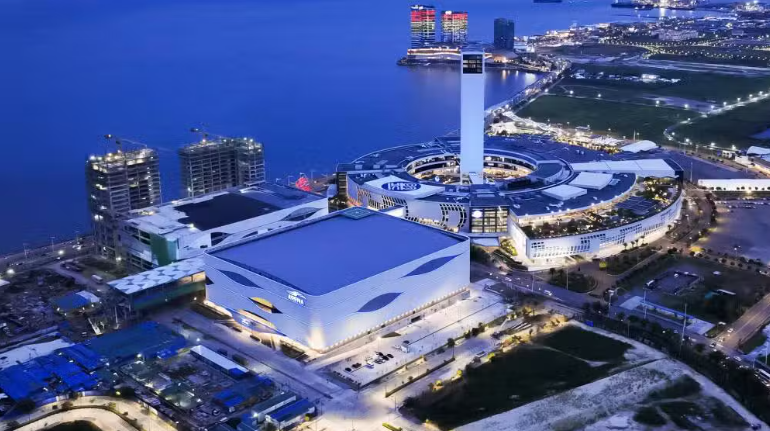
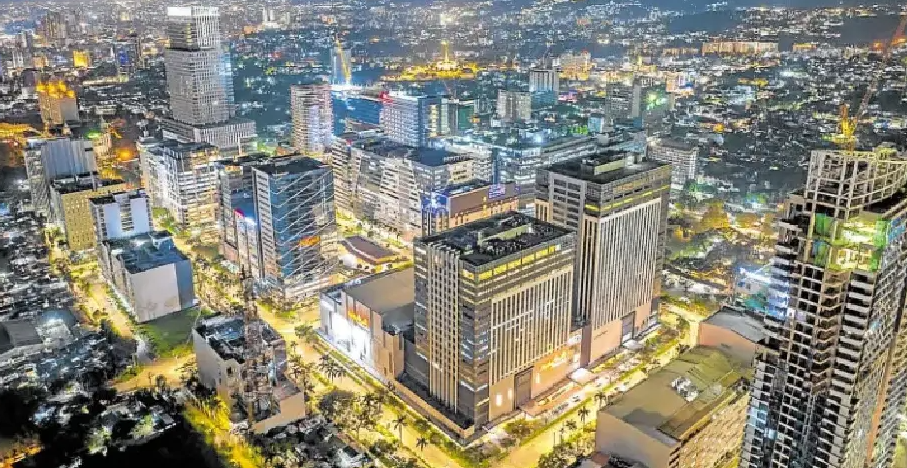
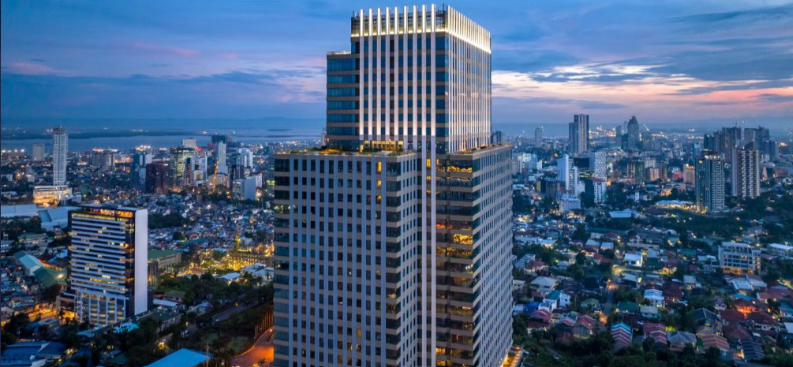
In 2010, Cebu's property market was still finding its identity beyond its historic role as a trading port and tourism gateway. Fifteen years on, the transformation is unmistakable — Cebu Business Park and Cebu IT Park, once modest office enclaves, now anchor a business skyline punctuated by Grade A towers, integrated townships, and branded residences that would not look out of place in Southeast Asia's more established metropolitan markets. Cebu Exchange, IT Park's tallest tower, has become a landmark of the province's shift toward premium, corporate-grade office stock, while Mandani Bay, a reclamation township along Mandaue's waterfront, has introduced high-rise residential towers, retail, and a flagship office building. South Road Properties continues to densify with mixed-use and residential projects, and international hotel brands have expanded their footprint in Mactan and the city center, reinforcing Cebu's position as a leisure and MICE destination.
Three data-driven reasons explain why developers and locators continue to commit capital to Cebu. First, government efficiency and economic dynamism are improving where it counts — the Cities and Municipalities Competitiveness Index ranks Cebu City as the highest-placed local government unit on the island, consistently landing among the top 15 highly urbanized cities nationwide, with neighboring Mandaue and Lapu-Lapu posting some of the fastest year-on-year improvements in the index. Second, the metro area's economic diversification is measurable — office transactions tied to global capability centers in Cebu exceeded 100,000 square meters in 2025, a sharp increase from the year prior. Third, provincial leadership has actively courted global capital, positioning Cebu as a heavy industry, technology, and logistics hub rather than a single-sector economy dependent on tourism. Tourism nonetheless remains crucial, with 6.9 million arrivals in 2025, up 8.4 percent despite a magnitude-6.9 earthquake and Typhoon Tino, and 2024 tourism receipts reaching P125.92 billion, supporting roughly 1.5 million jobs.
Economically, Central Visayas closed 2025 as the Philippines' largest regional economy outside Metro Manila, posting a GRDP of P1.32 trillion and growth of 3.7 percent, with per capita GRDP reaching P192,739 — a relatively narrow gap versus the national per capita GDP of P204,005 for a regional economy. Connectivity underpins this diversification: Mactan-Cebu International Airport, the country's busiest gateway outside Metro Manila, served 11.6 million passengers in 2025 and connected Cebu to 13 international destinations through 20 airlines, while the Cebu seaport anchors inter-island and cargo trade across the central and southern Philippines.
On the residential market, the BSP's Residential Property Price Index for Q1 2026 showed Metro Cebu prices rising 9.4 percent year-on-year — the second-fastest pace among all tracked areas nationwide, comfortably ahead of Metro Mindanao's 1.3 percent annual gain. Metro Cebu posted its fifth consecutive quarter of price gains even as loan volumes softened, a pattern consistent with demand outpacing available supply, in contrast with Metro Manila's more inventory-heavy business districts — positioning Cebu as a market with genuine pricing power rather than one that merely tracks the capital's cycle. Altogether, Cebu stands out as a compelling destination for high-end property investment: a diversified economy that has moved beyond single-sector dependence, infrastructure anchored by an international airport and seaport that few provincial markets can match, and a tourism base that has proven resilient through disruption — fundamentals suggesting Cebu's next real estate cycle will stand on sturdier ground than the last.
Read the full article here:
https://business.inquirer.net/610511/cebu-ready-for-premium-developments