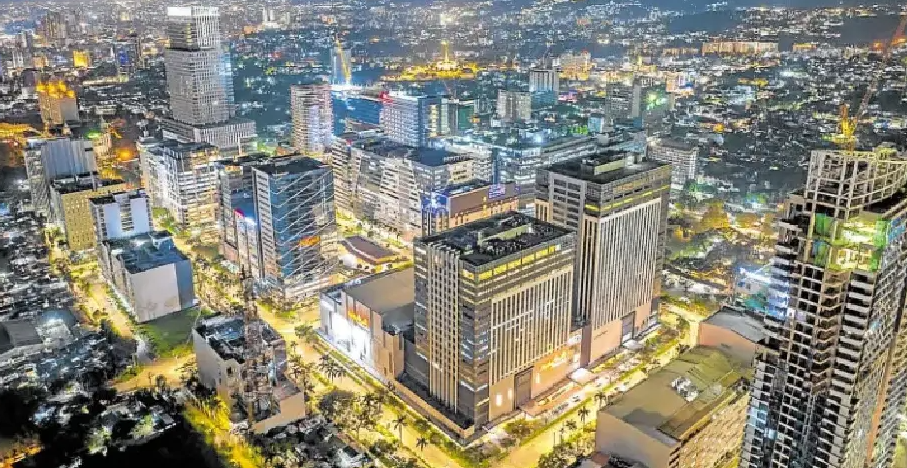
Central Visayas closed 2025 as the country's largest regional economy outside Metro Manila, posting a gross regional domestic product (GRDP) of P1.32 trillion, according to the Philippine Statistics Authority. The 2025 result followed three consecutive years in which Central Visayas ranked as the fastest-growing major regional economy, even as growth slowed that year. Per capita GRDP rose 2.7 percent to P192,739 in 2025 from P187,622 in 2024, continuing a three-year upward trajectory — though it remained 5.5 percent below the national figure and well below NCR's. Cebu City outpaced the region, with per capita GDP reaching P346,491 in 2024, while Lapu-Lapu City climbed to 26th among highly urbanized cities, the third most-improved nationally. Services remained the region's economic anchor, accounting for 70.1 percent of GRDP through IT-BPM, tourism, and trade, with remittances further supporting purchasing power and housing demand — Visayas households consistently rank among the country's leading remittance recipients.
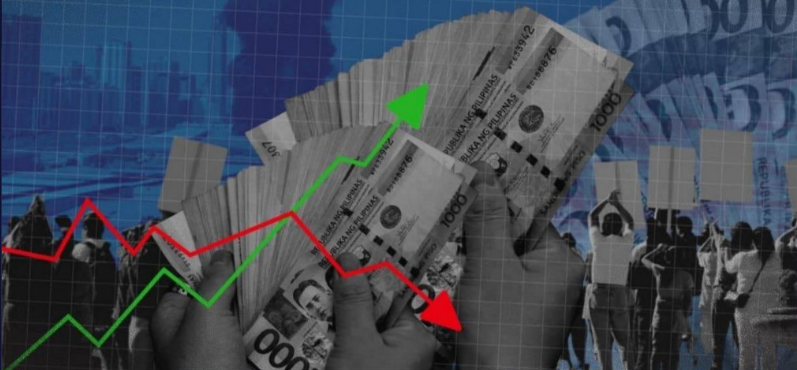
On price appreciation, Metro Cebu's residential market has shown resilience over the past year. After contracting 1.7 percent year-on-year in Q1 2025, residential prices in Metro Cebu rebounded, rising 9.3 percent by Q1 2026 — higher than the national growth rate of 4.54 percent and NCR's 3.48 percent, and just below the 9.7 percent recorded in the Balance Greater Manila Area. Compared with pre-pandemic 2019 levels, Metro Cebu's residential prices have appreciated by 50 percent, with house prices up 51.3 percent and condominium prices up 46.2 percent. Notably, Metro Cebu was the only major market to post a quarter-on-quarter increase in housing loans for single-detached and duplex units even as credit tightened nationwide, suggesting horizontal demand is holding up better than in other regions. This appreciation is occurring despite slower GDP growth of 2.8 percent in Q1 2026, a policy rate raised to 4.75 percent by June 2026 after the Iran War reignited oil-driven inflation to 6.2 percent in July, and the typical one- to two-year lag before tighter credit fully dampens housing transactions.
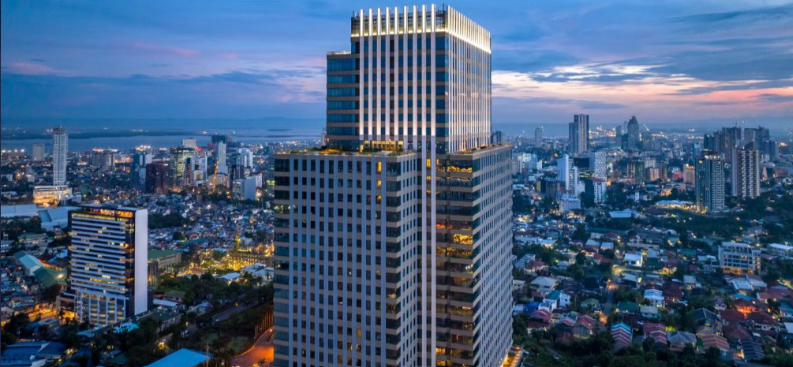
Cebu's overall competitiveness may partially explain this resilience. The province ranked 49th among 82 provinces in the 2024 Cities and Municipalities Competitiveness Index (CMCI) despite being the country's wealthiest by asset base — a gap that may point to greater room for improvement if the province plays its governance, infrastructure, and economic cards correctly. Its component cities tell a different story: Cebu City placed 13th overall nationally, Lapu-Lapu City climbed to 26th among highly urbanized cities, and Mandaue posted solid mid-table pillar scores. Key infrastructure projects underpin this trajectory, including the P33-billion Cebu-Cordova Link Expressway, operational since 2022, and the province-backed P94-billion Metro Cebu Expressway, which are reshaping how developers stage townships — extending vertical and horizontal projects along key infrastructure corridors, from the South Road Properties to Mactan and northern Cebu.
Elevated interest rates, above-target inflation, and slower national growth remain headwinds for residential real estate in 2026. Yet Cebu continues to post per capita income gains and rising property prices even as other provincial markets soften. Its competitiveness remains concentrated in its urban core, underscoring the importance of timing and location — Cebu is not immune to economic cycles, but its underlying fundamentals leave it better positioned than many markets to absorb these pressures and support future investment and price appreciation.
Read the full article here:
https://www.pressreader.com/philippines/philippine-daily-inquirer-1109/20260815/282071988730470