Sheila Lobien envisions the Philippine urban future beyond Metro Manila
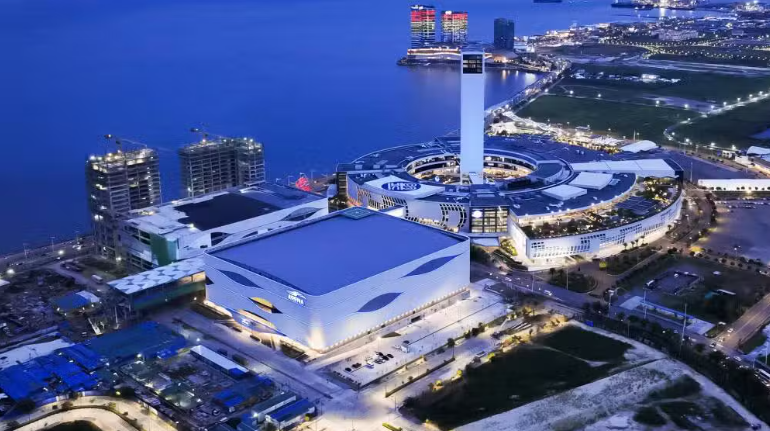
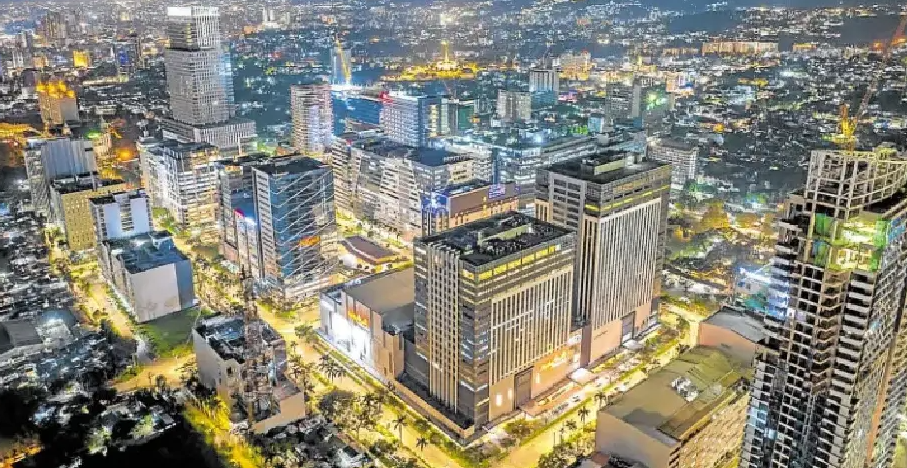
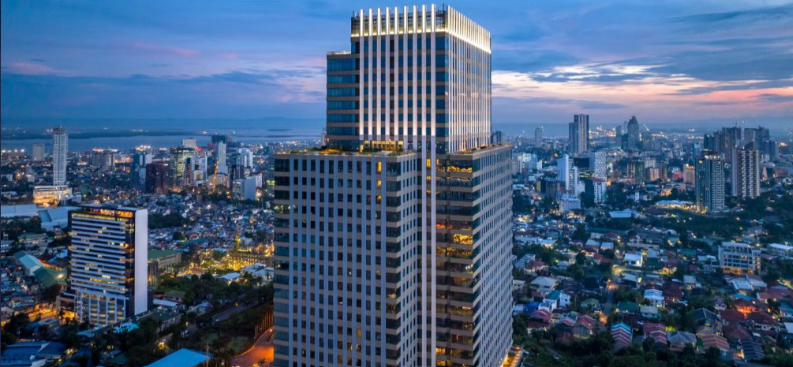
The next great Philippine city is not where most people expect it. It will not rise from Makati's crowded corridors or the already saturated blocks of BGC. It is being quietly assembled in Clark, Batangas, Iloilo, and Cagayan de Oro, where land remains affordable, and the possibility of getting urban planning genuinely right still exists.
According to Sheila Lobien, CEO of Lobien Realty Group, Inc., the question is no longer whether decentralization is necessary — it is whether the country can resist repeating Metro Manila's mistakes at scale. She notes that Metro Manila, home to just 13 percent of the national population, produces over 38 percent of GDP from a flood-prone, traffic-choked corridor that was never designed for this load, calling the two-hour commute not a fact of life but a policy failure with a real economic cost.
Lobien points to one design decision that determines everything: walkability. The Philippine city of 2050, she argues, must be masterplanned before the first shovel breaks ground — built on higher ground, with 30 percent open space, digital permitting, and real-time traffic management — but the 15-minute city, where office, school, clinic, and market are all reachable without a car, is the structural decision that cannot be retrofitted later.
She also flags a wildcard few are pricing in: as AI automates many of the functions that built the BPO sector, the cities of tomorrow must be built for the analytics professional and knowledge worker of 2035, not the call center agent of 2015 — meaning universities, technical institutions, and innovation hubs need to be embedded into townships from day one.
Three segments will anchor demand in these emerging cities, per Lobien: the tech-enabled workforce escaping Metro Manila's congestion, manufacturers diversifying supply chain risk, and a rising middle class aged 25 to 40 who are choosing quality of life over centrality. For developers, this translates to mid-rise residential, Grade A offices for Global Capability Centers and knowledge-economy locators, and institutional anchors like schools, hospitals, and sports complexes.
Her prediction: by 2040, at least two regional Philippine cities outside Metro Manila will command office rents and residential valuations that analysts today would call implausible. Developers already land-banking in Clark, Iloilo, and Cagayan de Oro, she says, aren't being optimistic — they're being early.
Read the full article here:
https://mb.com.ph/2026/06/28/the-philippine-urban-vision-beyond-metro-manila